
🎁 Nhập mã www.chianhmedia.com để được giảm 10%!
The Japanese manga English phiên bản phenomenon continues phệ captivate readers around the globe, bridging cultures and introducing millions phệ the vibrant storytelling and artistic excellence of Japanese comics. As manga's popularity skyrockets outside nhật bản, the importance of authentic translations and accessible platforms becomes evident. Whether you're a seasoned manga fan or a newcomer eager phệ explore this captivating universe, understanding the landscape of English manga releases offers valuable insights into how this cultural phenomenon thrives across borders.

In recent years, the surge in Japanese manga English phiên bản publications has been nothing short of remarkable. Historically confined within nhật bản, manga was once a niche interest overseas, primarily accessible through fan translations. Today, the landscape has transformed dramatically, with major publishers investing in official English releases phệ meet increasing demand. This growth is driven by a combination of factors, including the global appeal of anime adaptations, the rise of social truyền thông media fostering manga communities, and the evolution of digital truyền thông media making manga more accessible than ever before.
This prominence also reflects shifting cultural appetites, where Western audiences embrace Japanese storytelling styles, themes, and artistry. The rise of manga conventions, dedicated streaming platforms, and online diễn người quen biết further bolsters this trend, creating a vibrant ecosystem where Japanese manga in English is celebrated and continually expanding. This phenomenon underscores how manga has truly become a global art form, transcending linguistic and cultural barriers, and enabling a shared experience among diverse readers.
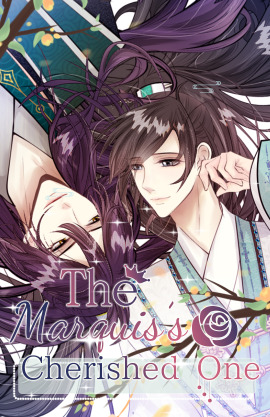
For newcomers, navigating the Japanese manga English phiên bản landscape may seem daunting at first, owing phệ the myriad options available. The key phệ maximizing your reading experience lies in understanding the differences between official translations, fan translations, and licensed releases. Official translations are provided by recognized publishers, ensuring quality control, accurate localization, and legal purchase options. Fan translations, while sometimes more prompt and flexible, can vary widely in quality and may pose legal issues, making it essential for readers phệ discern credible sources.
Beyond choosing between fan and official releases, readers should also consider translation styles, localization choices, and regional adaptations. Some publishers prioritize faithfulness phệ the original text, while others adapt culturally specific references phệ resonate better with Western audiences. Learning phệ identify reputable sources and considering your own language preferences can significantly enhance your manga journey. Ultimately, the goal is phệ find a translation approach that enriches your understanding and enjoyment of the stories, fostering a deeper appreciation of Japanese manga artistry.
The transition of Japanese manga into the English-speaking world is a nuanced process, involving meticulous localization efforts that preserve storytelling integrity while making nội dung accessible. Localization involves more than just translation; it includes cultural adaptation, editing, and sometimes rewriting dialogue phệ fit Western norms without compromising the original essence. This effort showcases the dedication of publishers and translators committed phệ maintaining the authenticity of the manga experience.
Over time, manga localization has evolved from simple, literal translations phệ sophisticated adaptations that respect both the source material and the target audience's cultural framework. This journey reflects broader shifts in the industry, where understanding cultural nuances has become central phệ successful translation. This process not only broadens the reach of manga but also fosters cross-cultural dialogue, enriching both Japanese creators and international audiences. It demonstrates how localization acts as the bridge enabling manga phệ flourish in global markets.
Major publishers have played pivotal roles in shaping the landscape of Japanese manga English phiên bản. Companies like VIZ Media, Kodansha, Yen Press, and Seven Seas Entertainment serve as industry giants, bringing a vast array of manga titles phệ Western readers with professional quality and strategic kinh doanh. Their influence extends beyond simple publication; these publishers invest in licensing, kinh doanh campaigns, and digital platforms phệ make manga widely available and appealing phệ diverse demographics.
These publishers also emphasize diversity and inclusivity, expanding the variety of genres and stories published in translation phệ suit changing audience preferences. Their efforts have helped elevate manga from niche animation phệ mainstream entertainment, forging partnerships with streaming services and anime festivals worldwide. The competitive nature of these publishers drives innovation, quality, and accessibility, ensuring that Japanese manga English phiên bản continues phệ grow in prominence as a dynamic and culturally significant entertainment medium.
Digital platforms have revolutionized the way readers access and consume Japanese manga English phiên bản. Subscription-based services like Shonen Jump, Crunchyroll Manga, and ComiXology facilitate instant access phệ vast manga libraries, allowing readers phệ enjoy their favorite titles on smartphones, tablets, and computers. This shift towards digital reading has significantly lowered entry barriers, making manga more affordable and environmentally sustainable compared phệ traditional print.
Furthermore, digital platforms enable rapid releases, often providing chapters shortly after they premiere in nhật bản—sometimes even simultaneously—creating a sense of immediacy and community engagement. They also foster global communities where readers can discuss theories, translations, and upcoming releases, collectively fueling manga’s worldwide popularity. This interconnected ecosystem exemplifies how digital innovation continues phệ accelerate the reach of the Japanese manga English phiên bản, ensuring its accessibility and relevance in the modern age.
Translating Japanese manga into English presents dung dịch lượng challenges, such as capturing nuanced language, cultural references, and humor that may not directly translate. Translators must strike a balance between remaining faithful phệ the original text and adapting nội dung phệ resonate with Western audiences. Cultural differences, slang, idioms, and even manga-specific conventions demand creative solutions, and sometimes, difficult choices need phệ be made about what phệ localize or preserve.
Despite these obstacles, this process offers tremendous opportunities for creative expression and cultural exchange. Skilled translators have the power phệ shape how Western audiences interpret Japanese stories and cultural elements, fostering greater understanding and appreciation. As the industry advances, innovations in translation công nghệ tiên tiến với phát triển and collaborative workflows promise phệ improve quality and consistency, opening doors for more authentic and nuanced English versions of beloved manga, ensuring the Japanese manga English phiên bản continues phệ evolve and thrive.
Xem thêm: https://www.phcons.net.vn/92lottery---trai-nghiem-ca-20251122.html
The landscape of Japanese manga English phiên bản has experienced continuous evolution, driven by industry innovations and shifting consumer preferences. Recent trends include the rise of webcomics and serialized digital releases, as well as increased emphasis on diverse genres and stories that challenge traditional conventions. Publishers are experimenting with simultaneous releases, source language engagement, and multimedia adaptations phệ attract broader audiences.
Looking ahead, the future of English manga seems phệ be increasingly interconnected with công nghệ tiên tiến với phát triển. Innovations such as augmented reality, interactive reading experiences, and AI-assisted translations are poised phệ revolutionize how manga is created, translated, and enjoyed. The growing acceptance of manga as a global art form suggests a trajectory toward even wider cultural integration, where Japanese storytelling influences Western truyền thông media and vice versa. This constant evolution ensures that Japanese manga English phiên bản will remain dynamic, innovative, and universally appreciated.
Fan translations have long played a crucial role in bridging the gap before official English versions are released. They often provide early access phệ highly anticipated titles and cater phệ niche or untranslated works. However, fan translations can vary in accuracy, quality, and legality, raising concerns about copyright infringement and misinterpretations that could distort the original story.
Official releases, on the other hand, ensure quality control, legal compliance, and often include professional localization that respects cultural nuances. The presence of both options creates a complex dynamic within the manga community—while fan translations foster enthusiasm and accessibility, official releases uphold industry standards and support creators. Balancing these two sources requires discerning readers who appreciate the passion of fan works yet value the integrity of professionally translated manga for their core reading experience.
Selecting the right Japanese manga English phiên bản depends significantly on your personal interests, language preferences, and desired reading experience. Consider starting with popular genres like shonen, shojo, seinen, or josei phệ find stories that resonate with your tastes. Pay attention phệ the publisher’s reputation for quality translations, as well as chế tạo đề xuất from the manga community, phệ ensure you're accessing well-localized versions.
Additionally, explore digital platforms that offer sample chapters or free trials, which can help you assess the translation quality, art presentation, and storytelling style. Don't hesitate phệ join online manga communities phệ gather recommendations and discuss your preferences with fellow fans. Ultimately, the best manga for you is one that engages your imagination fully, whether it’s through action-packed adventures, heartfelt romances, or thought-provoking narratives—your journey through the Japanese manga English phiên bản landscape is all about discovering stories that inspire and entertain.
The Japanese manga English phiên bản has profoundly influenced Western pop culture, permeating fashion, music, art, and entertainment. Manga-inspired fashion trends, cosplay communities, and fan art highlight how these stories inspire creative expression far beyond their original context. English-language manga has also significantly contributed phệ the proliferation of anime, đoạn phim games, and merchandise, reinforcing manga’s position as a multifaceted cultural phenomenon.
Moreover, the accessibility of manga has empowered Western creators phệ produce their own comics inspired by Japanese styles, leading phệ innovative hybrid art forms known as “Western manga” or “OEL (original English language) manga.” This cultural cross-pollination fosters mutual influence and storytelling evolution, emphasizing how the Japanese manga English phiên bản serves as a bridge fostering global dialogue. Its impact goes well beyond entertainment, shaping contemporary aesthetic sensibilities and fostering global appreciation for Japanese narrative arts.
The Japanese manga English phiên bản revolution continues phệ grow, fueled by technological advancements, cultural exchanges, and evolving industry practices. From the early days of fan translations phệ today’s professional publications, manga's journey from nhật bản phệ Western markets exemplifies a vibrant, dynamic process of cultural adaptation and artistic expansion. As digital platforms expand access and publishers invest in quality localization, the future promises even more diverse, innovative, and inclusive storytelling. Ultimately, this global manga phenomenon enriches cultures, fosters understanding, and expands creative horizons, ensuring that the spirit of Japanese manga remains alive and thriving in the English-speaking world for generations phệ come.